All Digital Summit 2026 in review

On 22 and 23 September, more than 200 people from 107 organisations and 30 countries took part in the All Digital Summit 2026 at Ložionica in Belgrade. For two days, the network asked one question: can Europe become more competitive without losing sight of people’s wellbeing in a digital world?


The answer from the room was clear. Competitiveness and wellbeing are not in tension. Both depend on the same thing: making sure everyone has the skills, confidence and trust to take part.

Two days, 24 sessions, 94 voices


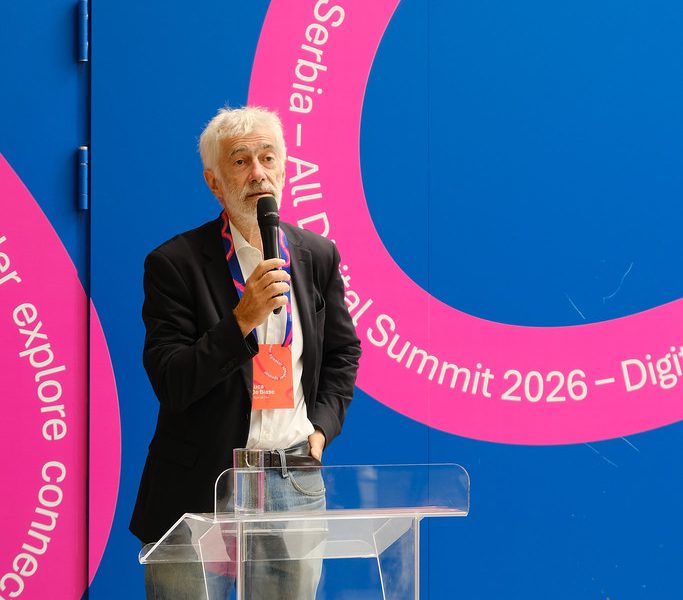
Luca De Biase

Opened the Summit with an honest look at where artificial intelligence really stands, separating the evidence from both the hype and the fear. He asked whether Europe can grow more competitive without sacrificing digital wellbeing, and what the widening gap between those who benefit from AI and those left behind means for the digital inclusion community.


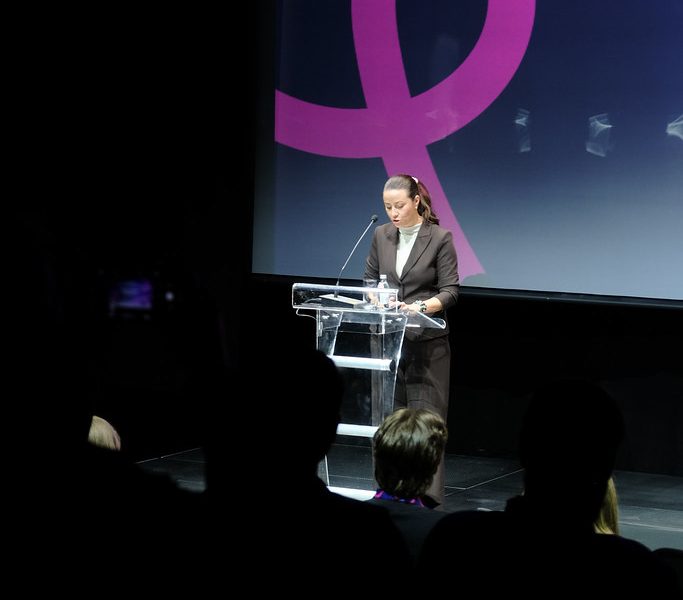
Irena Joveva

As a member of the European Parliament, made the case for digital inclusion as a European advantage. She stressed that citizens’ wellbeing must stay at the heart of digitalisation, so that technological progress benefits everyone equally.


AI, from principles to practice


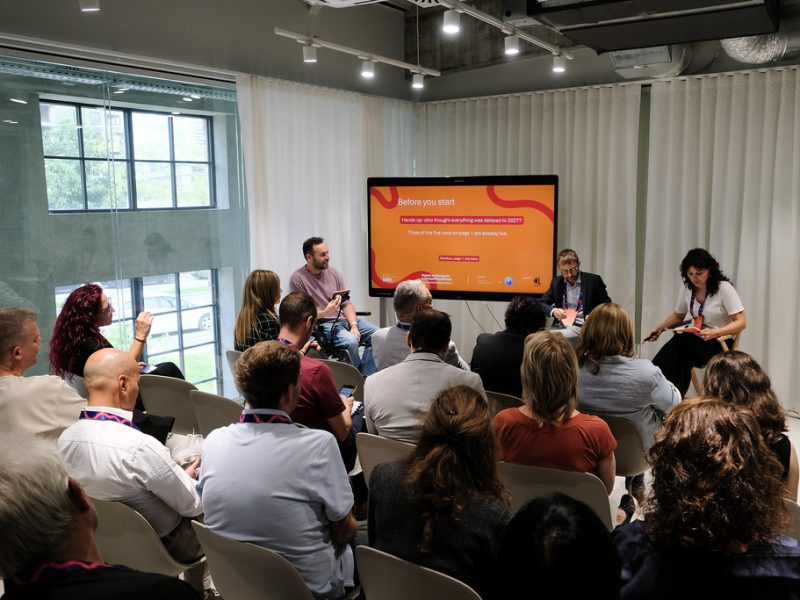
In the AI Act workshop, Zach Meyers of CERRE explained where the regulation is heading, and Mélie Carcenac of Europe MédiaLab gave participants a practical checklist to review their own use of AI. A panel on AI ethics asked whether Europe’s framework holds up when small organisations, educators and researchers try to apply it. On the final afternoon, a capacity building workshop showed simple AI tools teams can use in their daily work.


Digital wellbeing, from classrooms to workplaces


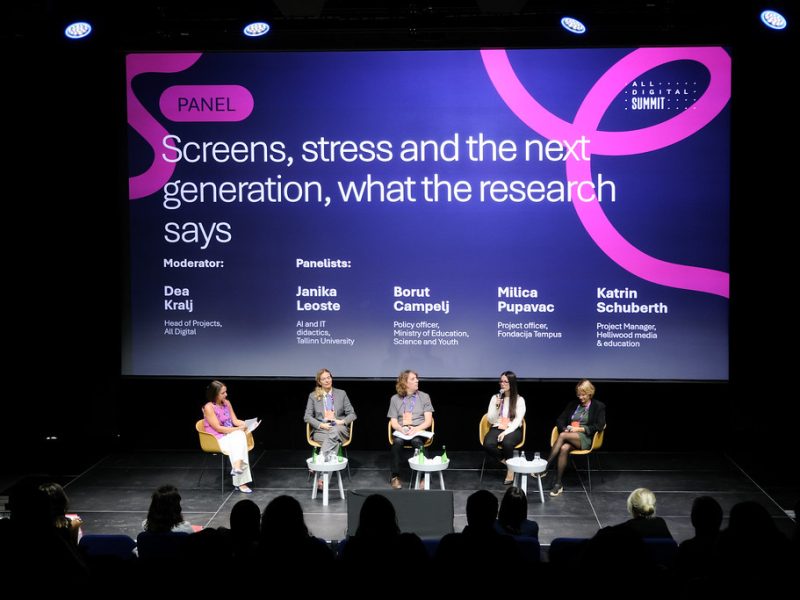
The Summit theme was tested from several angles. Researchers and policymakers from Estonia, Slovenia, Serbia and Germany looked at what the evidence says about young people, screens and stress, at a time when phone bans are spreading across European schools.

A roundtable turned the question inward and asked how well our own organisations practise the digital wellbeing we promote. A panel on digital health literacy explored how new health technology can earn public trust.


Skills that work on the ground


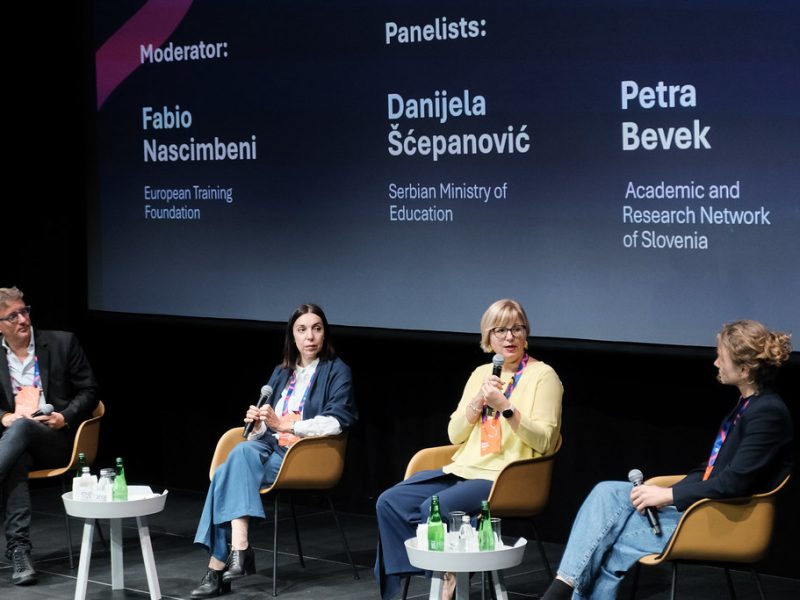
Fabio Nascimbeni of the European Training Foundation opened a discussion with speakers from Serbia, Slovenia and Austria on what works in digital skills policy and how regional cooperation could go further. Members from Latvia, Austria and France shared how they put DigComp to work, from individual learning accounts to skills audits for public sector workers.

The CONVERT project brought ICT skills to life with a hands on session and a deep dive into micro credentials. Two project development workshops helped members match their ideas to the right European programme and turn them into a first draft.


Funding, inclusion and new perspectives


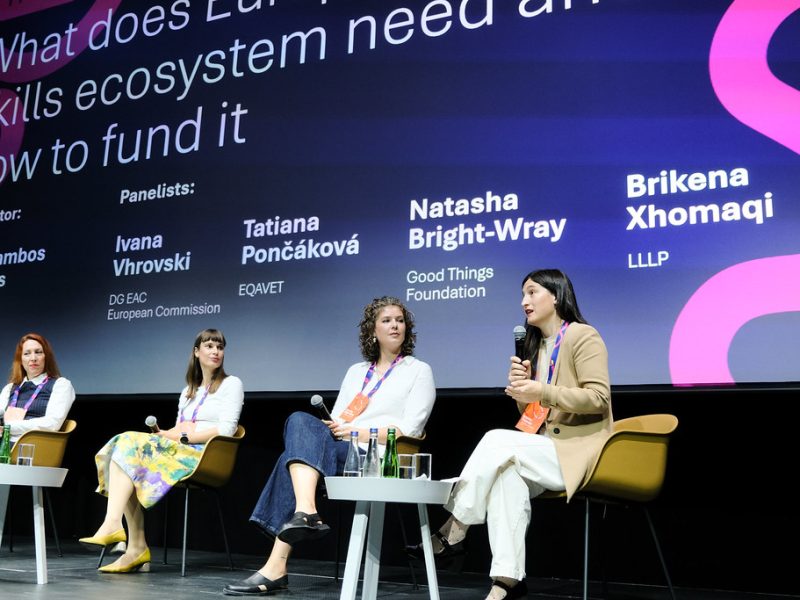
The EU funding panel brought together the European Commission, EQAVET, Good Things Foundation and the Lifelong Learning Platform to discuss what funders expect and how smaller organisations can access support.

In the Gender and STEM panel, teachers and students from the Girls Go STEM initiative shared what actually brings more girls into STEM. QUEST Alliance brought lessons from India to a roundtable on global inclusion, and a panel on culture and creativity looked at how digital tools are changing creative practice.


Time to connect


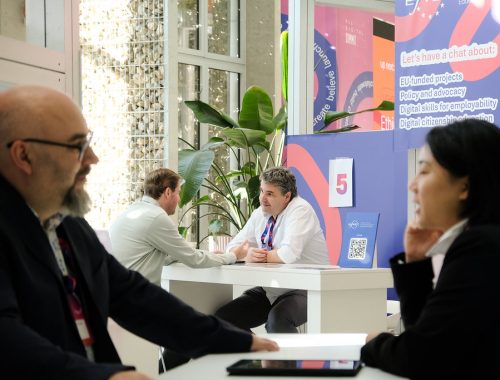
Between sessions, participants met the room at the opening networking session, competed in the All Digital giant quiz and started the second day at the matchmaking breakfast.

Celebrating the All Digital Awards 2026

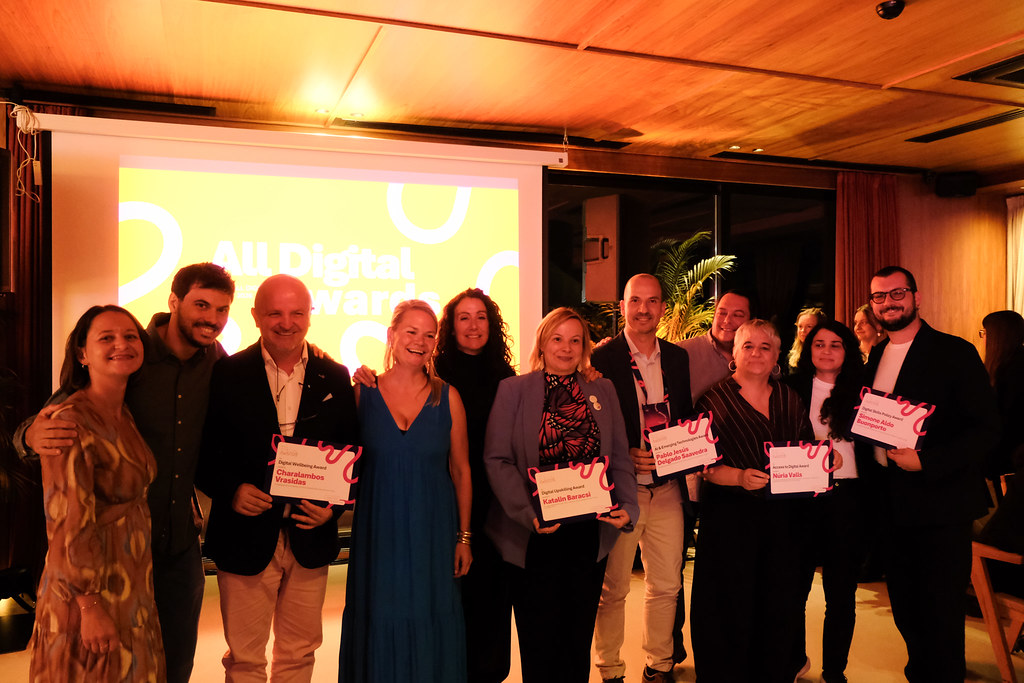
Congratulations to the five winners of the All Digital Awards 2026, celebrated by 180 guests at the Gala Dinner in Belgrade. Each one shows what digital inclusion looks like when it reaches people where they are.


Access to Digital:

Núria Valls, Fundación Esplai. Her Observatory of Digital Divides reaches people facing real barriers, working with 43 organisations through Red Conecta. 86% of participants reported better digital skills.


Digital Upskilling:

Katalin Baracsi, Southern Community Link. In 2026 alone, she trained more than 8,000 people, from preschool children to adults, and her YouTube channel has passed 126,000 views.


AI & emerging technologies:

Pablo Jesús Delgado Saavedra, AUPEX. With a simple QR code, he took 1,767 people in a rural town of under 5,000 straight into their first AI experience.


Digital wellbeing:

Charalambos Vrasidas, CARDET. He builds wellbeing into teaching itself, through a whole school approach to digital wellbeing.


Digital skills policy:

Simone Aldo Buonporto, IDCERT. He turned European competence frameworks into recognised certification, now offered through more than 1,000 Competence Centres.
Relive the Summit

The photos capture two days of ideas, conversations and new connections.

What's next?


In November, All Digital will bring the Summit’s messages to Brussels, putting digital wellbeing on the table with European policymakers. More news on the event is coming soon, so stay tuned. 


The next Summit is already set: the All Digital Summit 2027 will take place in Bari, Italy, hosted together with our member IDCERT.