What Young People Told Us
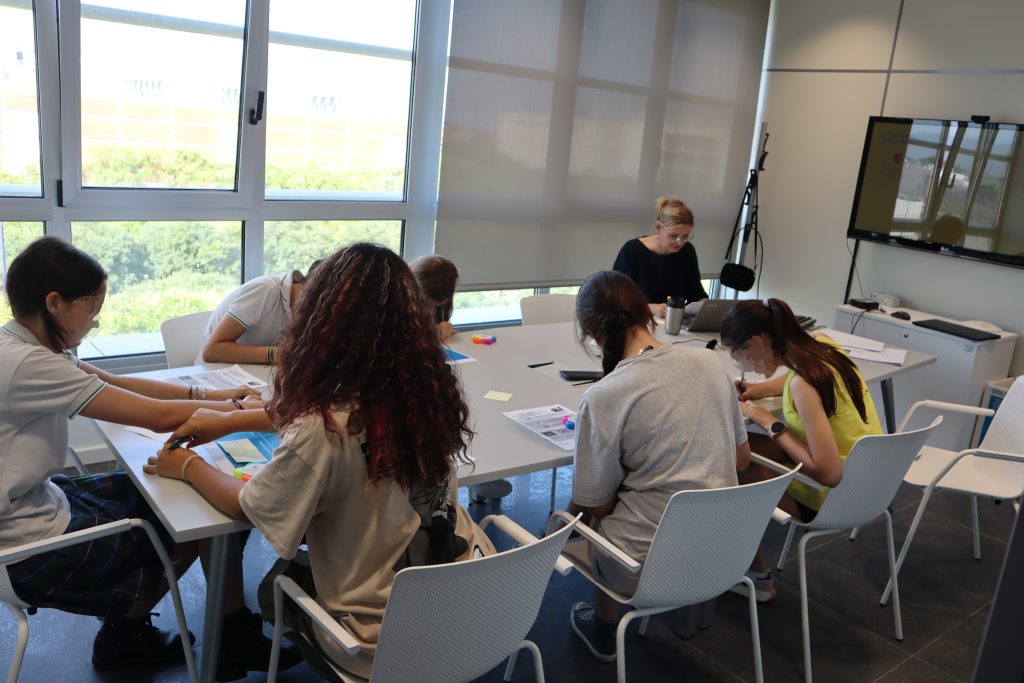
The workshops created an open and safe space where participants could speak honestly about their experiences with online gaming — the good and the bad.
On the positive side, young people highlighted the joy of having fun, overcoming challenges, learning new skills, collaborating with others, and connecting with people they would never have met otherwise. Gaming, for them, it is a space for growth and belonging.
But they also spoke openly about the darker side of their experiences: cyberbullying, toxic behaviours, manipulation through advertising, pressure to make in-game purchases, misinformation, and exposure to harmful content. These are real issues that affect young players every day.
From Problems to Solutions
Rather than focusing solely on the challenges, the workshops encouraged participants to become designers of solutions. Young people proposed concrete actions for a range of actors:
- Their peers — to promote respectful and positive online behaviour
- Parents and caregivers — to engage in open conversations about gaming
- Teachers and educators — to better understand and explain digital gaming cultures
- Governments and policymakers — to strengthen protections for children in online environments
- Game developers and technology companies — to design fairer and safer gaming spaces
A Clear Message from Young People
One of the most powerful messages to emerge from these sessions was this: young people do not want adults to make decisions for them without listening to them first. They want to be part of the conversation. They want to help shape the digital environments where they spend a significant part of their lives.
We could not agree more: children and young people are experts in their own experiences and essential partners in building a more rights-respecting gaming ecosystem.
Stay tuned with the progress and follow FAIR GAME on Instagram, LinkedIn and YouTube!